EP.31 / Randall Winston
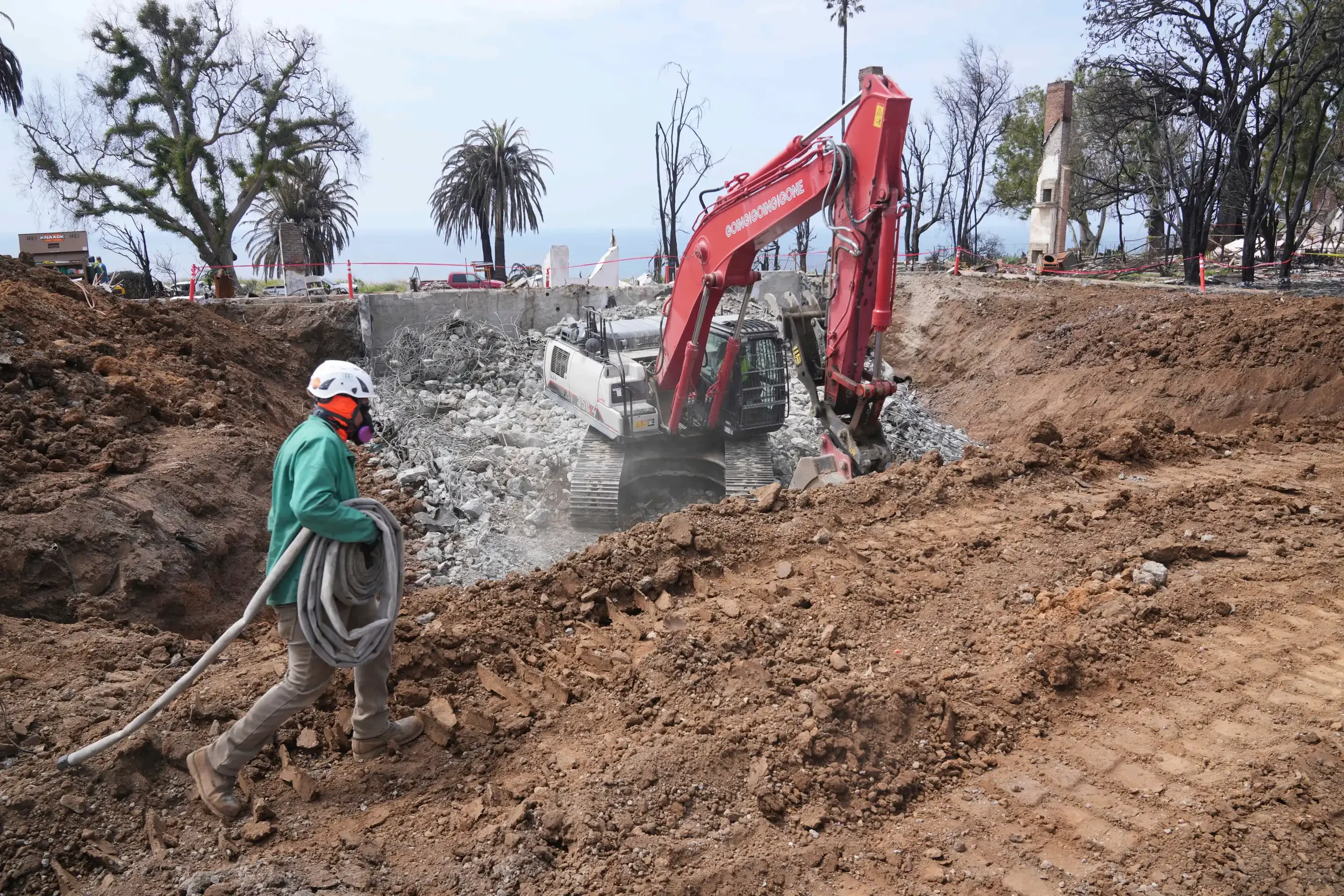
Rebuilding in LA's Pacific Palisades neighborhood (Source: AP News)
LA's Capital Infrastructure Program, Rebuilding the Palisades, and Preparing for the 2028 Olympics
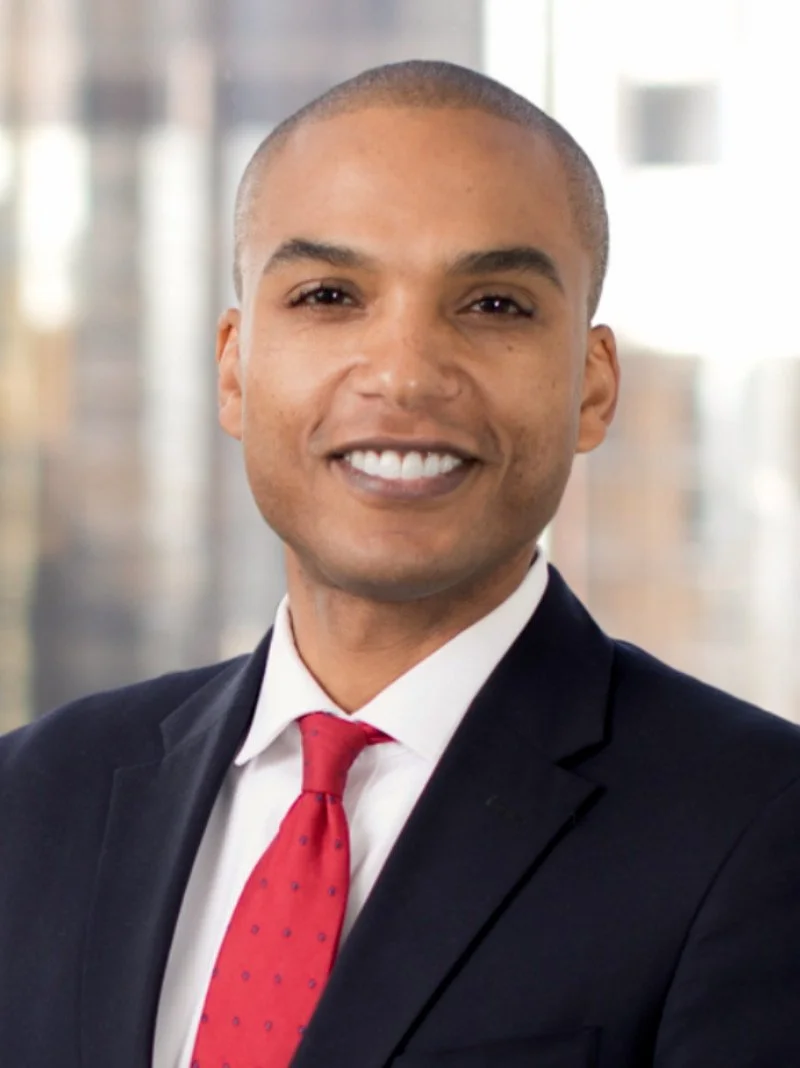
Randall Winston is the Deputy Mayor of Infrastructure for the City of Los Angeles. His portfolio covers everything in the public right of way, including street services, engineering, street lighting, sanitation, and transportation. Randall is currently doing something no one in his role has done before: building the city's first comprehensive, multi-year capital improvement plan.
Randall and I go back almost 20 years to UVA, where he wrote his graduate thesis on LA infrastructure as a master's student. His path since then has included law school, the U.S. Army National Guard (where he still serves as a Lieutenant in the Reserves), and eventually City Hall. In this episode, he makes the case that a disciplined, data-driven capital plan is the foundation LA needs to finally deliver on the potential the city has always had.
Of course, we can't talk about LA's infrastructure without addressing the 2025 wildfires and what it will take to make the city more resilient. Randall walks us through the city's five-year plan to underground 45 miles of utilities in the Palisades, and why he's cautiously optimistic about federal funding for that work despite the political headwinds.
Plus, we talk about 2028: what pedestrian and bike connections are being built to serve Olympic venues, the fan zone strategy being tested through FIFA this summer, and how the Games are accelerating improvements the city will benefit from long after the closing ceremony.
Listen on Apple Podcasts | Spotify
About Randall Winston
Randall Winston’s career spans law, architecture, and public service, which collectively have shaped a career focused on advancing equitable, sustainable development. Randall serves as Deputy Mayor of Infrastructure for the City of Los Angeles, where he leads Mayor Karen Bass’ infrastructure policy and alignment of public works and transportation investments. Previously, he was an attorney at O’Melveny & Myers where he represented government and environmental organizations facing complex litigation and state and federal investigations.
Prior to his legal practice, Randall was appointed by Governor Jerry Brown to serve as Executive Director of the California Strategic Growth Council, a state agency integrating efforts to achieve the state’s climate and sustainable community goals. Under his leadership, SGC invested over $1.3 billion in transit-oriented affordable housing, land conservation, and capacity building in the most under-resourced communities throughout California.
Randall also served as an advisor to Governor Jerry Brown, where he worked across state agencies to lead implementation of Executive Orders on green buildings and electric vehicles, including development of unprecedented regulations to reduce emissions from the building and transportation sectors. He also led the planning and execution of trade missions to China and Mexico, working with foreign government officials and businesses across the state to forge international trade and environmental agreements.
Before serving in the Brown administration, Randall worked for Pritzker Prize-winning architect Norman Foster, collaborating with interdisciplinary teams on design, urban planning, and infrastructure projects throughout the world. He also spent two years working for urban development and architecture firms in Beijing, China.
Topics Covered
How architecture, law school, and the military shaped Randall's approach to public service
Day-to-day responsibilities of the Deputy Mayor of Infrastructure
Why LA is the only major U.S. city without a capital improvement plan
How the new CIP will change the way projects get prioritized and funded
Why resurfacing a street legally triggers a much larger project
Inside the infrastructure response to the January 2025 fires
What's being built to get LA ready for 2028
Randall's vision for LA in 2035
Three must-visit places in LA
-
Sam Pepper 00:00
Welcome back to Building LA. Today we are sitting down with Randall Winston, Los Angeles's deputy mayor of infrastructure. Randall brings a completely unique perspective to City Hall, so he and I actually go back almost 20 years, which is scary to say, to our time in architecture school at UVA. I was an undergrad, Randall was a graduate student, and funnily enough, back then he wrote his thesis on Los Angeles infrastructure, in particular, which is obviously an incredibly full circle moment, given the city he helps manage today, and I will note that his thesis was very impressive, and as, and all the undergraduate students were looking at it with some admiration, as it was pinned up on the wall out in Virginia. Since then, his career arc has been anything but typical, weaving through law school, the military, and, of course, city government. Today, he and I are going to pull back the curtain on how infrastructure in Los Angeles is actually managed. Right now, Randall and his team are working to change the city's outdated ad hoc approach by leading the charge on new data driven capital improvement plan. They are taking the often overlooked but essential systems like sewers, sidewalks, street repaving, things like that, that keep this city moving. In this episode, we discuss what it really takes to fix LA's foundation and the hard lessons learned from the devastating fires of January 2025 but more importantly, we talk about how the city is using these lessons to turn a corner, building a stronger, more resilient future as we gear up for the 2028 Olympics and beyond. So, I could not be more excited to have him join me today, Randall. Welcome to the show.
Randall Winston 01:42
Sam. So excited to be here and connect. Thank you for having me. And I'm excited to discuss a bit further with you.
Sam Pepper 01:51
Fantastic. So we got to start, Randall, with your career arc: architecture school, law school, military, city government - it runs the gamut. What's the thread that connects all of those?
Randall Winston 02:02
Wouldn't be the first set of that question has come up, Sam. And for me, I kind of made the decision a little over 20 years ago. It was the end of 25 years, excuse me, in undergrad, I could say two things that were a preoccupation that led to the, I think, the pathway that I found myself on, one is service, public service. Second is sort of systems, and thinking through both how systems shape people's lives and how I can work to better shape those systems. Architecture, I just would sort of speak to growing up, I always had a kind of inclination to express myself through drawing and documenting the world and my experiences through drawing, be it a, you know, a cartoon show or drawing with my brothers. Now, how that, I think, relates to sort of what I'm doing now, and with architecture itself, it really is, you know, this not just about buildings in the built environment, but architecture is really about about people, and I think in my first experience in architecture, certainly my thesis, and in my time with Foster and Partners, I think it was my first exposure to recognizing how architectural professionals and professionals really have a duty responsibility to the public good. Now, architecture to my mind, you shapes the physical world.
Randall Winston 03:29
Law shapes kind of the framework within which that world operates, and I think those two ways of thinking about systems and how systems shape lot shapes lives, I think were important in my own kind of understanding again of how I could better serve the law. Brought me to gonna understand nuts and bolts of how the tools of our government, of our society shape and impact people's lives, and in turn, how we can hold the institutions behind those tools accountable, and again, those tools or rules govern the systems that we operate, and that all sounds a little bit high-minded, and frankly, high-minded in a way that I still find very satisfying intellectually and otherwise, but the military, for me, is maybe the most direct expression and illustration of service, and so it's also a great leveler. It was important to me to combine kind of my understanding with systems of systems, excuse me, with a more direct understanding of people from every walk of life, rich or black, brown, white, whatever you name it, outside of California being one of them.
Randall Winston 04:50
The military is about the greatest sacrifice on the part of one's country. It's about discipline, leadership under pressure. Nature and really a kind of a commitment to something larger than oneself, and so that experience continues to just be very grounding and grounding in what public service really is about, what it means to me, and why it's important, and of course, government, government really brings it all all together, that's where you can have your ideas, I can have my understanding of how systems ought to be shaped and what it means to serve side by side amongst individuals who are making the ultimate sacrifice, but I also have to hold myself accountable to the public in an everyday basis. I think city government, in particular, it is about holding our institutions accountable in the most everyday way, trash collection, dirty streets. Why is that permit stuck in this or that department? Tangible results, getting it done, and kind of taking the fire, as it were, along the way. So that's kind of how I see my career, not just kind of coming together, but continuing to, I think, for myself, serve as a point of ongoing inspiration, because there's always something to do and always something to improve, and I learn along the way in a way that's drives the mission, so to speak.
Sam Pepper 06:22
Yeah, in the Venn diagram of architecture students and military, I don't think there's that many people who have experienced both. Is that something you would ever return to in the future, or do you think that that's something that's informed your present but maybe isn't part of your future?
Randall Winston 06:39
So, I'm actually, I'm currently serving as a reservist in the military, so I am a lieutenant in the Army National Guard reserves. I drill over at the 40th infantry division once a month. This past year I was actually away for four months for training, part of that at Fort Benning, kind of doing some nuts and bolts of soldiering, and the latter part of that at the regimental home of the JAG Corps, Charlottesville, Virginia, kind of, I'd say, an accelerated course on military law, military justice. So military service is a parcel of my life as it is, and I'm challenging on balancing family and work, but I'm thankful that our office here in Los Angeles, the Mayor, Mayor Bass, has allowed me to carve out that time every month to serve in a different way.
Sam Pepper 07:34
Amazing. So, going back 20 years, you wrote your thesis on LA, as I mentioned, your interest in Los Angeles as a graduate student compared to your interest in it now, is it similar? Like, is the core of it quite similar, or has it changed pretty drastically?
Randall Winston 07:52
The core of it is similar, and it's about a need for transformation, and Los Angeles, I think, still serving globally as the crucible of, of what's possible in so many ways, ways that are very frustrating, and LA's got no shortage of challenges, but also no shortage of opportunities. I think the dynamism and the vision that comes out of so many parts of this city, so many parts of the city, so many sectors is really limitless, and obviously Virginia, at the time, writing my thesis, I had spent some, the last roughly decade outside of California, on the East Coast, going to school in China for a couple of years, working in development and architecture. The former mayor, Villa Ragosa, had a competition, and this is kind of how I think what put Los Angeles into focus, a competition to revitalize the arts district, and this is before I think a lot of the development that we see in along the Alameda corridor today, and the vision was to, in the midst of at the time, was a drought and the growing understanding of our climate crisis. How can we make LA a model for energy transformation, water recycle and reuse better use of our resources broadly, while creating a more walkable, bikeable, livable space, and at the same time working to transform our economy.
Randall Winston 09:36
These are all items that those were on the docket, what, 16, 17 years ago, I think, if you were to say the same things now, still very much issues, I think, that are at the fore. That's what really was a catalyst for my drive to dive deeper into LA. We didn't have those things, I think, to a degree that was sufficient to match our ambition and. And it inspired me to dig in to want to reach toward those goals, and that is still the case. My thesis was before it actually covered or included the creation of what became Lacey, the Los Angeles Clean Tech Incubator, the partnership at the time with the Los Angeles Department of Water and power, my design had a new bridge spanning the LA River, actually not that far from where the Sixth Street Bridge is right now. A collection of commercial and housing opportunities along kind of various parts of the Arch District, adaptive reeds, got a lot of the things that we see, but tied to a broader transformation of LA's kind of environmental and economic conditions.
Sam Pepper 10:50
You're touching on something that I think remains the enduring appeal of LA, is that it does have so much promise and potential, but it also, there is also so much work to do to fulfill that potential that seems to be constant, right, and that part is partly because it's a young city, it's a fairly adolescent city compared to others, but that seems to be the thing that draws a lot of people to LA, is that I think, particularly in our industry, there's just a lot of work to do, and I think that's exciting for a lot of people that do have the optimism and the vision, and frustration comes along with that.
Randall Winston 11:28
I'd add to that, Sam, just in terms of looking at LA's history, and this is one of the things that I also just find not only exciting but just sort of sobering, but also kind of grounding. This is not the first time in Los Angeles history where there's sort of been visions of a dystopia of disorder of moving backward, and then this sort of great urge or surge of the opposite. I'm thinking of a city of courts and books on LA's problems, conditions that make it home to problems that appear to be intractable or unsolvable, and I think that that is in a way I've kind of embraced that as a part of what LA is about, because I think with that sort of, I'm not saying that we need to have our city a dystopia, what I'm saying is that I think these challenges are themselves sources of not just inspiration, but kind of driving innovation in a dynamism I think that helps folks who come to the city see beyond what's possible, because it's sort of a place where I think the limitations themselves I think drive greater steps forward. I think it's why we are in many ways sort of the cultural hub and really cultural factory of the globe. This sort of reinvention that makes LA LA to me is tied up with some of the challenges that we continually face and frankly overcome. It's kind of this sort of creative process that I see is really exciting to be a part of.
Sam Pepper 13:07
Let's go to the nuts and bolts, Randall. Like your role as Deputy Mayor of Infrastructure, I think everyone can understand roughly what that probably is, but explain what your responsibilities are.
Randall Winston 13:20
Absolutely, so Los Angeles, they've got a whole host of city departments, 50 some odd departments, and it's traditionally the case that mayors appoint deputy mayors to oversee kind of different collections of city departments. Infrastructure essentially includes in my portfolio everything in the public right of way and transportation, so that's our order of public works, and it's five bureaus: sanitation, engineering, street lighting, contract administration, and street services, our department of transportation, and then the city of LA is representation on LA Metro, and our regional transportation system. Day to day, I work with all of the general managers of those departments, and with the council offices to drive Mayor Bass's agenda. It's everything from everyday problems of constituents in trying to get things done. There's an illegal dumping in a neighborhood on a street corner. It's not been moved fast enough. Help us move it to the bigger policies and things we are trying to achieve. Mobility 2035 and building out our enhanced network, both for pedestrians and for bicycles, driving some of the major capital projects that we have underway, both for the games and through Metro. So, projects big and small, and I've learned this, and other local government officials have said this: there is never enough resources. That marks, I think you're aware of the budget constraints that we have, but I think that's a kind of a typical set of conditions that most city governments would say not enough resources, not enough people, way more work to get done.
Sam Pepper 15:14
I want to talk about this capital improvement plan. I didn't, I think, fully absorb that historically the city was making infrastructure decisions that were a little ad hoc, maybe without a substantial long-term plan, which maybe explains some of the issues we have in the city. So, talk about what the old system was like and what we're doing to change it.
Randall Winston 15:38
When I first took on this role here pretty quickly ran into more or less in every part of our public right of way significant to massively significant backlogs, maintenance deferred, and not just for years but for decades, sidewalk requests, cyber repairs, excuse me, street light repair, tree trimming, streets themselves, street sweeping, the list goes on, and you know, you kind of scratch one's head, like, why is this the case? Because it wasn't just sort of one or two or three components of a right of way, but it was sort of almost every component, and it was clear that the system, or systems were just broken, scratching the surface a bit, a bit more. It is an unfortunate and astounding thing to note that Los Angeles is the only major city in the United States that does not have a comprehensive capital infrastructure program, and what I mean by that, a multi-year plan that stretches beyond a single budget year and lays out funding priorities, specific project priorities, and how to fund those projects, while also maintaining funds for repair and maintenance, and how that fits within our budget. How we don't fall outside of our budget. What the unmet needs are financially, a long-term plan that does not exist, certainly not in the best practice manner that every other major city has, and that has led to very real problems. Angelinos don't know, and I don't think I need to explain this to you, but I sort of lay it, lay it out.
Randall Winston 17:23
The public doesn't have a clear understanding of what can realistically be funded and when. What are our given priorities, or, sorry, our priorities beyond like a given single budget year. Governance across projects, across maintenance is fragmented. There is not collaboration, a strong collaboration between our city departments that deliver capital projects and deliver maintenance, and projects are funded oftentimes year by year, and we know that oftentimes a capital project takes far longer than a year, and so you've got priorities that might be a priority in year one, and that priority could shift or change in year two or three, because there's a new council member, there's just a new set of priorities for whatever reason, and there's no systematic way to track those changes, those stops and starts in capital projects, and leaves us where we're at, a deteriorating public right of way. Projects that are unfinished, and a lot of frustration when it gets pitched to voters.
Sam Pepper 18:30
Sometimes tangible examples are helpful, right? So you mentioned sort of shorter term, we're looking at the games, which makes sense, but can you, can you maybe provide an example of like a shorter term investment, and then one that's a longer term investment that's being considered, that's going into the CIP.
Randall Winston 18:52
Absolutely, some shorter term investments are streets and our sidewalks.
Sam Pepper 18:57
So that doesn't go into like a maintenance budget. How do you bucket those things, because some of those things feel like they just should be kind of just part of overall maintenance.
Randall Winston 19:04
Well, and that's you're touching upon part of the challenge, right? Is that the what the CIP does is also explicitly classify what's maintenance and what's capital, and because we have, for instance, street services, Bureau engineering, and LA DOT all kind of playing in the space, building in the space of maintenance versus capital projects. There, I think we've had this just historically some kind of confusion organizationally, which has led to not effective delivery. Repaining a street, that's a clear maintenance activity, you know that HLA ties together the resurfacing of the street with a construction in some parts of the city a bike lane facility also that triggers in certain locations because of ADA requirements an upgrade to intersections and curb ramps in order to make them accessible, which in turn triggers requirements for. Upgrading the sidewalk, and so you have right there a really kind of tight interlocking of maintenance activities and capital activities, and we need to better organize how we deliver them. So, the capital plan, yes, it's a capital plan, capital plan spells out capital means, but we are also very clear about recommending the requirement for a certain percentage of city funding to maintenance, because the two are inextricably woven, so answer the question mentioned earlier, simple fund would be yes, it's maintenance, the street resurfacing, but triggering that bike lanes, bike lanes in their construction should not be nearly as costly and long as it takes to build, but we need funding to do it.
Sam Pepper 20:47
Can you just break that down? Like, so, if a sorry to interrupt you, but like, if you re, I mean, obviously need to resurface a street regularly, right? I feel like every time we have the heavy rains in January, and then potholes grow bigger, area needs to get resurfaced, so my understanding quickly, if you resurface the road, then that triggers these other upgrades technically that you would also need to do. So it goes from being a fairly simple one subcontractor job to a much larger job that involves multiple different parties doing multiple different things.
Randall Winston 21:20
Short answer is yes. I wouldn't use the word technically, as you use the word legally. We're legally required on the part of the voters of Los Angeles. Now it's not every street, these are on our streets that are part of our mobility 2035 network. The plan that was passed back in 2015 I think I mentioned this earlier, more walkable, more bikeable, really ambitious, and I think kind of trend-setting for the United States. This plan was, but we're behind implementing, so yes, we've got to, we need funds to deliver it, because we've put ourselves in this from a funding perspective difficult situation of having to install all these different components when we go out there and to your point do the resurfacing on certain parts of our right of way.
Sam Pepper 22:11
And then a longer term project, so there's always city projects that are happening that are sort of the sexier projects that people will hear about, are those going into this capital improvement plan, and how were those funded previously? If you didn't have a longer term plan, and a project was taking seven years, would it just need to be re-discussed every single year to continue? I just don't understand how it would work.
Randall Winston 22:33
Yeah, no, it's a very good question. And the capital planning process, in its current form, the city does every year produce this document called the C tip. I'm going to explain the acronym, the Capital and Technology Infrastructure Expenditure Plan. I think I'm getting those that acronym correct, but I think the bottom line there is it is a list, a list of all of the projects that are slated to be funded that year, it doesn't prioritize based upon any kind of scoring methodology or funding need or otherwise. It's just an assemblage of all the projects that are slated to be to be funded. Now, how a project comes off or goes onto that list, that is one of our Tamatar mind, Mayor's mind core problems, a council member, an advocate that really is able to push for it, essentially is able to, of their own accord, get a project on the project list, as it were, and oftentimes this is not, it's not driven by, you know, a malicious intent or trying to not see other projects move forward. You may have been seeing the headline some weeks ago about how the council had moved to give back funds to the state for active transportation grants.
Randall Winston 23:56
That actually is kind of, it sort of helps open up a little bit the problem that we're talking about here with major projects, oftentimes you have without an understanding of the capacity of our bureaus to actually do the work. Folks get excited about a grant for 10s of millions of dollars coming from the state, like our Caltrans and their ATP grants, your growth council and their affordable housing grants. We want that money, we need that money. We've got way too much to do and way too much to build, and so the push is, let's go after those dollars, even though we might have the resources or capacity. We'll find it some at some point in the future. You do that over enough years, and that's been the case literally over a decade plus, and that's where you run into problems, you've got constantly chasing after grant dollars, and then maybe there's a lag in the ability to do the work until the grants expiration comes to fruition. Okay, we've got to switch from our other projects or other maintenance work and get folks on the delivery of this project, and you multiply that by the little. Hundreds of grants that we pursue, and our ability to deliver products on time and on budget lands where we are.
Sam Pepper 25:08
I want to switch gears a little bit and talk about the fires, because it's so infrastructure related, and we're now sitting here almost a year and a half after the fires. They still have a large presence over the city. I think the discourse in the city, certainly politically, and I want you to take us back to that January of 2025 What was of the infrastructure picture at that time that you were looking at when those fires came about?
Randall Winston 25:39
Yes, yeah, no, and it was obviously a tragic and unprecedented what occurred, and in that first week of January I made my way down to our emergency management department as the conflagration was unfolding, and you had the near 100 mile per hour winds, no ability to put in the air resources to fight the fire, and the obviously residents evacuating as they could, and you know, soon thereafter being in the midst of, and I just had never seen this myself, a massive incident response, where they kind of build up a command structure, every entity being brought, and government entity being brought to bear to provide aid, mutual aid, the state, the federal government, other governments throughout the world, frankly, sending expertise, sending equipment, it was in many ways amidst the tragedy, incredible to see the kind of the coming together to fight the fire and respond to respond to the threat from an infrastructure perspective. You know, I'd say it was also a little bit of a well, infrastructure as it relates to kind of disaster recovery and disaster, the disaster recovery context, because this, there were a lot of lessons to look through.
Randall Winston 27:05
Immediately, I got on the phone with others in California, other city managers, other deputies who had experienced the Tubbs fire in Sonoma Paradise, and what happened there, Lahaina, and I was racing to do so before the change over the administration, because, as you recall, later January, Biden left office, President Trump entered office, and we knew that there was going to be kind of this drain on the expertise, at least that Brian brought in, as administrations do, they switch over, and so I was frantically speaking with FEMA about, okay, funding programs, repairs, all the things on the ground when it comes to infrastructure for disaster recovery, top of mind, top of mind is debris removal, and how to remove that debris, so you're assessing damage, and you're kind of trying to get your head around, okay, how can we make it safe for emergency response professionals once the fire is done, and part of that is removing the toxic material and the other large debris, so in those first kind of really weeks following the fire, and certainly the months, it was kind of understanding the network of different organizations that respond to disaster, that's called sort of the National Disaster Recovery Framework, that FEMA has put us with a model on how to approach disaster recovery, and that was our guide, and working, of course, very, very closely with the federal government.
Sam Pepper 28:47
Now, looking back, it seems like there's always going to be a danger of fire in the hills, and I think it's part of what makes Los Angeles special is the fact that you do have this intersection of wild nature and an urban environment, and that presence, and that sort of friction between the two is is exciting. It is part of the appeal of LA, but of course, there comes danger with that. So, what are the lessons that you've taken from that, that then now, because people, I mean, everyone's going to keep building the houses in the hills to move forward to ensure that the next time there is 100 mile per hour winds and we have a situation that is incredibly hard to control, that we can at least, even if we can't prevent any fire, we can at least prevent the amount of damage that we saw last year.
Randall Winston 29:38
It is imperative that we build back more resiliently. I think that that is across the board a recognition, and when I say across the board, I mean all, think all of our state's leaders, down to the mayor, the council member, those in the community. The challenge is sort of balancing that with sort of speed. There's also this desire. Are to build that quickly, get folks back home. If you look at this, FEMA's recommendation, this is one of the one of the earliest things that some of the professionals said. It's like actually one of the key contributors to reducing trauma or recovering from trauma from all those lost is getting back home, and so even FEMA has laid out sort of that pull where you know you want to take the time to be thoughtful about building back more resiliently, making sure we're hardening our homes, we're instituting new practices for vegetation management and better emergency preparedness, and rehearsing evacuation procedures. All of that is critical, but we also got to get back home as quickly as possible, and this is a community. These are people, and it's about people, and we want to reduce the trauma that they've already experienced, too many have experienced, and get them back home.
Randall Winston 30:57
That, I think, is a hole as we think about building back more resiliently now. A few core components of our approach in the Palisades. Within less than a couple of months after the fire, we are loud and clear, and the mayor committed to undergrounding our utilities. Right now, we've got LED WP out on sunset through the Palisades, digging vaults to begin the undergrounding work. They've spent the last year designing in excruciating details and in Gantt charts what a timeline over five years for undergrounding 45 miles of utilities looks like. Hardening infrastructure in that way, I think, is step number one. We are following the governor's lead in the zero lot line and ensuring that there is home hardening happening across homes that are that are rebuilt, working with the state. Lot of the lands out in the Palisades are not owned by the city. We got the Santa Monica Mountains Conservancy lands owned by the county, and so managing that vegetation is a very real and urgent task. We've got a number of reports, I think, to look through that we've partnered to produce over the past year, the county and their Blue Ribbon Commission, which recommended strategies like creating green belts in areas where we know the winds made embers sweep through that region more quickly, so independent canyon near rural La Jolla State Park. How can we harden the edge over at that wildland urban interface to ensure that not if, but sadly, you know, when the next fire happens, the community is better protected, and so both at the level of the residents in the home and the broader region, we're pursuing strategies and implementing strategies to harden and make more resilient.
Sam Pepper 32:59
So the 45 miles of undergrounding, is that paid for then by if it's in the city of LA, it's paid for by the city of LA, or is it paid for by, I mean, if you know, if I build a development in LA and I need to underground utilities, the developer pays for it, so is that being paid by the homeowners that are adjacent to those properties, or how's it being funded?
Randall Winston 33:19
That's a very good question, and one that, frankly, is that we've shared this in our webinars with the public. It is not yet determined. We know there are a number of strategies to pay for the funding, and all of that is, or pay for the undergrad, excuse me, and all of that is on the table. Let me name a few. So, right now, in the work that is happening, I mentioned on Sunset, there DWP is able to absorb that in their existing rates. The number one way in which we would like to get the funding, in which we're, I would say, cautiously optimistic about, is through the federal government, and that's through FEMA. They have a public assistance program.
Sam Pepper 33:58
You're optimistic about it?
Randall Winston 34:00
I'm gonna go ahead and say here on this podcast with you that yes, cautiously optimist. Here's why. Just a brief little aside. Earlier this year, the President signed an executive order on accelerating rebuilding in the Palisades. He appointed a gentleman, Administrator Lee Zeldin of the EPA, to lead that effort, and since early February, Administrator Zeldin has been on the ground. Now, it just so happens that Mayor Bass served with Administrator Zeldin in Congress, and they have a very good working relationship, even though they're on other sides of the aisle politically, but this is about getting folks back home, making the community resilient, and doing what needs to get done to build faster, and so I do believe that in spite of the differences that exist at the federal level, there is a real understanding and partnership on that. That front working together to rebuild more quickly, and that conversation right now with the federal government is occurring in earnest.
Sam Pepper 35:10
It's a delicate subject, but something that is still top of mind for a lot of folks.
Randall Winston 35:15
I'll say, you know, I mentioned that I'm optimistic, but I mean, look, we are mindful of every scenario as we move along, then we're going to have to, we are putting together proposals for other ways to fund, whether that is through a new rate case, whether it is a specific funding mechanism within the Palisades, or for Palisades residents, whether it's through the state, and then you're working with the state to find funds, so we are developing those funding pathways, but I'll say we're doing it concurrently, so it's not a matter of sort of if the funding happens, it's just we got to figure out how, because the timeline for underground and the work for undergrounding is happening now and will continue to happen.
Sam Pepper 36:00
We're going to go get to a lighter subject, which is a new kind of a quick fire round, so just kind of rounding you out as a person, Randall, for our listeners, some really critical questions. So, first one is, What is your go-to order at your go-to spot near City Hall?
Randall Winston 36:18
Here, City Hall, it's the market and Little Tokyo, I'll get an order of sushi. I'll mix it up sometimes, but usually spicy tuna rolls, and if it's near my home, if I'm because some days I'll work on the West Side, just I'm going between the Palisades, Leo's Taco Truck, right on La Cienega, near Obama Boulevard, two carne asada tacos, and some rice and beans.
Sam Pepper 36:48
Is this scenario you have one LA project, unlimited city budget, maybe federal budget, unlimited budget, zero red tape. What are you building?
Randall Winston 36:58
I got to tie it back to my thesis, and it's the LA River finally connecting its bike and walking paths, it's green space. I think that that has the still the potential to be one of the most catalytic and connective projects in the city. It is, I think, a poster child for red tape, and the problems of working across jurisdictions, and frankly, also for funding. So, unlimited funds, no red tape. LA River.
Sam Pepper 37:31
I am desperate to see something happen there, whether it's privately funded. There's so many different solutions, but I do agree. I think that, above anything, through so many different neighborhoods in LA would be a huge change for the city and brings so much investment to so many parts of the city that don't normally see it and a huge public benefit as well, so I'm with you on that
Randall Winston 37:53
100% Hopefully we'll see some more here in the year to come. So stay tuned on that.
Sam Pepper 37:58
What's a place in LA that still makes you pinch yourself that you live in LA.
Randall Winston 38:02
Oh, goodness, you know, I was thinking of this, and probably a newer project, just because it makes me so happy whenever I walk by her on, and that is the new Sixth Street. It kind of marks a place on the skyline when I'm coming to and from LA, of course, it's, you know, it's lower on the skyline, I get that, but it also, frankly, was, as I mentioned, in a way, a part of my thesis, and so it's kind of like it reminds me of this is like a new direct way to connect places, and you've got one of these new exciting areas in Los Angeles right there with the arts district connected to an area that you know sometimes has been considered not as connected, certainly not as socioeconomically advantaged as parts of downtown, so the sixth street.
Sam Pepper 38:47
Okay, you're reaching out to Mayor Bass about something, you emailing, calling, sending a text. How do you communicate?
Randall Winston 38:55
I'll text, and then I'll call, and then usually she is busy, almost invariably, she is, so I'll have to text or call much later in the day. Typically, after my I've got two little ones at home, a three year old in the fire, five year old, so the mayor knows that, like, I am indisposed, as it were, for this like two and a half, three hour block between roughly six and eight or nine, just kind of, yeah, doing the dinner, bedtime, bath time, reading, and then kind of coming back at it around nine or so, so that those are our hours we'll usually connect.
Sam Pepper 39:33
Last book you read?
Randall Winston 39:35
Break Neck, China's Quest to Engineer the Future, it's a relatively recent book by Dan Wang, fascinating read comparing America and China with a sort of focus on why has China been able to build so successfully large complicated projects, rail bridges, large infrastructure. Sure, and why is it not the case in so many parts of America, and it kind of lays out a simple thesis of sort of China's focus on engineering and kind of an engineering society, America's focus on the law, and kind of a maybe a legalistic or overly legalistic society, so really fascinating. Look at how we've gotten to where we are, and how we might think about from an infrastructure perspective how to build faster, better, and kind of more ambitiously.
Sam Pepper 40:36
You're heading up all the infrastructure clearly that's connected to the games, so when we talk about, like, games-ready infrastructure, I think everyone thinks candidly about the metro expansion and what's happening there, but we know there's a bunch of other stuff that's happening behind the scenes. Can you just let us in a little bit to things that are happening that are getting us ready?
Randall Winston 40:56
Absolutely, I think that the with the games, so there's LA 28 the fundraising tickets, all of that, that's happening now, that's not exactly well touched upon here, but it's to state that that is happening. They get the city level, and at our level of our infrastructure, we now know the sports and the physical venues, the places where all of these athletes will be, will be performing, will be living, and will be traversing, traversing across the city. So I think we right now are honed in on ensuring that our what are called first last mile connections, the connections between our major transit and transportation stops to our venues that those are ready for the world stage, walkable, bikeable, more livable, more pedestrian friendly. We want to get folks out of their vehicles, because in the security perimeter around venues, you won't be able to drive your vehicle, so it's, it's imperative, actually, that, at least from, I think, the city's perspective, that we make those spaces, and they aren't small spaces, we make those spaces really, really attractive, both in terms of our public right of way, it's cleanliness, it's, it's walkability, all the things that I stated, so that is sort of prime right now.
Randall Winston 42:24
We have those projects actually in the city budget this year, meaning are sort of, sort of laid out to be ready by 2028 I'll add to that, and I mentioned this, how folks get around what's called the kind of the games route network, ensuring that the trips between folks, where people stay, you know, in UCLA, over in Westwood, to venues, that those are kind of optimized for more traffic, and again, they're attractive, beautified, ready for the world stage, and that is also some very, very aggressive planning. We're also starting to look at as a model what will happen here in a couple months with the World Cup and FIFA as helping to inform how everyone can experience the games come 2028 What do I mean by that? So, this summer we'll have over 100 fan zones associated with the games, where folks won't have to pay for those kind of exorbitantly priced tickets, and can watch the games in a park, in a public space, in their council district, and enjoy activities, you know, food, livelihood, a kind of, you know, an experience that is activated, right? That's gonna look different. It looks different on different neighborhoods.
Sam Pepper 43:50
Is that being those fan zones being organized? Are they being organized by FIFA, or is it kind of a collaboration between FIFA and the city?
Randall Winston 43:58
All the way, a collaboration, so FIFA Metro. the city of LA, though, is our initiative, along with Metro, has to do with the fan zone, so that's not entirely driven by FIFA. They're helping to inform, and some of the branding, and what have you, will need to follow, you know, some of the rules that they've set out. Similarly, with the Olympics, with the games, with 2028 they've got their venues and their focus on the events themselves. Their focus is not going to be all of these other events that we, that will take place throughout the city. So we want to make sure that we've got these opportunities for folks to enjoy all that there is to do in sports, but it starts now. We've got, we've got to learn from what happens in the next couple of months to fine tune, to tweet, to learn from, and kind of inform those different activations throughout the city.
Sam Pepper 44:53
When we're talking about the games coming up, is there are there any projects that are kind of keeping you up at night, or are you feeling pretty good? About the infrastructure projects leading up to the FIFA and the Olympics,
Randall Winston 45:04
I'll start optimistically feeling good, but I mean we've got a very tight timeline for the convention center now. The convention center is a, you know, not a direct games project, but what is happening at the convention center and around it, because that area is so it is a central part of downtown Los Angeles, and it will be on the global stage. I think having that whole area be essentially revitalized is a critically important thing. The timeline is aggressive is a little bit of an understatement, and so am I on on the edge of my seat, you know, a little bit up at night. Yes, but am I confident that we're going to get there?
Sam Pepper 45:49
Yeah, I want to talk through, kind of hypothetically, you know, it's 2035 you're driving through LA, maybe you're biking through LA, walking through LA. What do you see that's different, that's improved than the city that we have today.
Randall Winston 46:03
Very good question. So I do think that we've got our mobility 2035 network complete. You see more people biking and walking because we've got a lot more protected bike lanes and other bike lanes. We've got sidewalks that look cleaner and feel safer and are repaired, especially on our major corridors, and we have built out our park system, dozens more parks, small and large, which are creating much needed green spaces, especially in parts of the city that need it most, that we know that extreme heat is going to be a real problem, so in the valley and East LA, in parts of South LA, so more walkable, more bikeable, more pocket parks. I think we're also hopefully seeing some of the economic dynamism reflected in a more affordable LA, so you've got models like I'll just use one I mentioned, the LA Clean Tech Incubator earlier on, which is sort of focused on new technology, but also kind of creating pathways to jobs that are expanding career pathways. We got to make LA a more affordable place through the dynamism that comes from partnerships like that, that have so many benefits beyond just addressing, addressing, addressing climate change. We got to make the city more affordable in 2035 I think we've got an economic engine that contributes to people being able to live here, more people been able to afford LA.
Sam Pepper 47:48
Last question for you, what are your three favorite places in LA?
Randall Winston 47:53
One is technically, maybe I think it's actually kind of county, but it's county within LA, so we will have to excuse.
Sam Pepper 48:02
I forgive you.
Randall Winston 48:04
Yeah, you ought to forgive me. It's the MLK Memorial, right in Kenneth Hahn State Park. It's not that far from where I live, and so I take my kids up there. We walk around the bowl. To me, that is one of the best views of LA's skyline.
Sam Pepper 48:22
I agree, I go there all the time.
Randall Winston 48:24
Absolutely, love it. It's like, is awe-inspiring, like every time, especially after a big rain. You've got, like, you know, clear sky. You can see, especially up there now, you still got some snow-capped mountains towering in the back, and you can see the full stretch. Ah, it's like that does it for me every time. That's one of my favorite places. Expo Park, Expo Park is great, like, especially now with the kids. We can hop on the Expo line, take it down to the park. We've got the different passes, we'll do Nacho History Museum, where my kids can kind of scream at the taxidermy animals. animals that it's there, or the dinosaurs, we can go over the African American Museum. Now that the space shuttle has been turned up, and that will be open soon, and we got a little ways, so it's open. We can walk around, so that's it's just a, it's a great space to be in, and we enjoy it as a family.
Randall Winston 49:21
And then going out, and I think you kind of alluded to this, because this is one of the places that's maybe not surprising, and it is the arts, the arts district, the arts district, that's the area where much of my thesis work, really all of my thesis work was focused on, so spent a lot of time there, and has watched it change, I say dramatically, I don't think that that's a too strong a word to use. Dramatic change over the past 17 plus years, both along the Alameda Corridor and within, like right along the river, of course, Lacey, the food, the shops, the kind of grungy formative sense. Of that area, it is to my mind presents the kind of like what is it, sort of exciting growth, but with an edge to it that I really enjoy. Now, my kids and I, not so much. It's hard to kind of like go around there with kids, but my partner and I going out for drinks, going out for dinner, we love it.
Sam Pepper 50:22
Fantastic, I love that area too. Well, Randall, I really appreciate your time. I wish you all the success, because your success is the city's success in your role. And thanks for joining the show,
Randall Winston 50:35
Sam. Thank you so much. A pleasure being on, and really appreciate the time and the conversation.
Did you love this episode? Let us know by rating and reviewing our show on Apple Podcasts. It’s easy - simply click this link, click on Listen on Apple Podcasts, scroll to the bottom of the page, and select “Write a Review”. Let us know what you liked best about the episode, and what others can expect when they listen to our show.
While you’re at it, consider subscribing to Building LA. When you subscribe, you can guarantee you never miss a conversation with one our renowned designers, architects, and developers. Subscribe now!